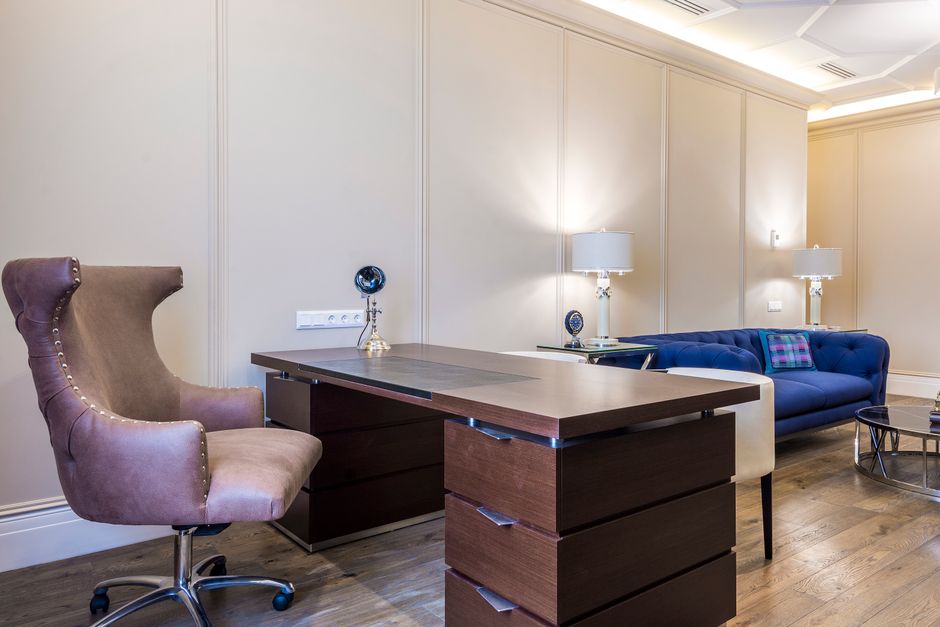
Knightsbridge Office Removals Best Practices for Luxury Businesses
Moving a luxury business in Knightsbridge is not just another office move. It is a reputational moment, a security exercise, and a logistics puzzle all at once. The furniture is often higher-value, the expectations are sharper, the building rules can be stricter, and the margin for error is basically non-existent. That is why Knightsbridge office removals best practices for luxury businesses matter so much. If you are planning a move for a private office, boutique agency, premium showroom, family office, or executive suite, the right process can save time, protect assets, and keep your team calm.
In this guide, you will find a clear, practical approach to planning a polished office relocation in Knightsbridge. We will cover what good looks like, how the process works, the common pitfalls to avoid, and the small details that make a very big difference. No fluff. Just the things that genuinely help when the stakes are high and the clients are, frankly, expecting everything to look seamless.
Why Knightsbridge office removals best practices for luxury businesses Matters
Knightsbridge is a very particular part of London. Offices here often sit inside buildings where access is tight, neighbours are sensitive to noise, and reception standards are, to put it mildly, exacting. You are not only moving desks and monitors. You are moving client files, design pieces, branded materials, secure equipment, artwork, and sometimes items that are expensive enough to make everyone suddenly very careful with tape.
Luxury businesses also have a different risk profile. A simple delay can affect client meetings, events, trading hours, or confidential work. A scratched boardroom table, missing cable, or poor loading plan can create more than an inconvenience. It can send the wrong message about the business itself. That is why office removals in this part of London need more than a van and a few strong backs. They need a process.
There is also the question of discretion. Many luxury firms value quiet operations. You may need a move handled before opening hours, after hours, or in a way that does not draw attention from tenants, visitors, or nearby businesses. Good removals practice respects that. It keeps the operation controlled, professional, and as invisible as possible.
Expert summary: for luxury office moves, the goal is not just to complete the relocation. The goal is to protect brand image, reduce interruption, and leave every high-value item exactly as it was found, ideally without the team feeling like they have just survived a minor disaster.
If you are planning a commercial relocation more broadly, it can help to review the approach used for commercial moves and the more specialised support offered through office relocation services. Those pages are useful if your move overlaps with general business logistics or requires a wider transition plan.
How Knightsbridge office removals best practices for luxury businesses Works
A well-run luxury office removal usually follows a calm, staged process. The more elegant the move looks on the outside, the more organised it has been behind the scenes. The work starts with a survey, continues with planning, and ends with careful placement and checking at the new location.
In practical terms, the process often looks like this:
- Initial review: identify the size of the office, access points, lift usage, parking constraints, fragile items, and any items requiring special handling.
- Inventory and labelling: create a room-by-room or department-by-department list so nothing gets detached from its context.
- Move schedule: agree a time window that reduces disruption, often outside peak business hours.
- Packing and protection: use the right materials for furniture, electronics, artwork, and sensitive paperwork.
- Loading and transport: coordinate vehicle access, carry routes, and item sequencing so the move does not stall at the kerb.
- Delivery and set-up: place items in the right room, reassemble furniture, and verify that the essentials are working.
The detail that matters most is sequence. Luxury office removals are less about brute force and more about the order in which things happen. Move the wrong cabinet too early, and you block the route. Pack the wrong files together, and you create a security headache. Forget to photograph specialist furniture before dismantling, and the reassembly becomes a guessing game. And nobody wants guesswork on move day.
A smooth move also depends on choosing the right support for the job. Some businesses need full-service help through office removals, while others may only need packing support, storage, or a smaller moving vehicle. A premium relocation is not always about choosing the biggest option. It is about choosing the most suitable one.
Key Benefits and Practical Advantages
When best practices are followed properly, the benefits are immediate and very visible. Not glamorous, perhaps, but visible. A luxury business cannot afford a move that makes staff unavailable for half a day because someone forgot to label the server trolley. That kind of thing sounds small until it happens.
- Reduced downtime: a structured move lets teams get back to work sooner.
- Better asset protection: high-end furniture, devices, and decor are handled with more care.
- Less stress for staff: people can focus on their roles rather than improvising on the day.
- Cleaner client experience: the move looks professional, not chaotic.
- Lower risk of damage or loss: accurate inventories and careful packing make a real difference.
- Stronger confidentiality: sensitive files and branded materials are tracked properly.
There is also a softer benefit that matters in luxury settings: confidence. When a relocation is handled neatly, it signals that the business is controlled, detail-led, and worthy of trust. Clients notice that. So do building managers, landlords, and suppliers. Honestly, people notice more than they say.
If you need materials before the move, it may be sensible to look at packing and boxes or broader packing and unpacking services. Those can be especially helpful for firms with archives, fragile items, or a large number of small but valuable objects.
Who This Is For and When It Makes Sense
This topic is most relevant for businesses where presentation, privacy, and precision really matter. That could be an executive office, a luxury consultancy, a high-end retailer's back office, a design studio, a private wealth firm, or a company whose clients expect everything to be beautifully managed.
It also makes sense when the move is complicated by one or more of the following:
- limited access or narrow stairwells
- shared buildings with strict moving windows
- valuable artwork, sculptures, or statement furniture
- confidential files and client records
- multiple departments moving in stages
- the need to keep some operations open while others relocate
- a desire to avoid disruption to clients, residents, or adjacent offices
Smaller offices can benefit too. In fact, smaller luxury businesses sometimes need more careful planning than large ones because they have fewer spare hands and less room for error. A boutique team of six might not have a facilities department to absorb the chaos. One bad day, and the whole week starts wobbling. That is the reality.
Where speed is critical, some firms may also need a fallback option such as same-day removals. That is not the default choice for a luxury office, of course, but it can be useful when a lease change, building issue, or urgent fit-out shift comes up unexpectedly.
Step-by-Step Guidance
A refined office move is built long before the first box is lifted. If you want a practical sequence, use this one.
1. Start with a proper survey
Walk the current office and the destination space. Check lifts, corridors, door widths, floor protection needs, parking access, and any restrictions from building management. Note anything that could complicate delivery, such as low ceilings, awkward turns, or tight timing windows. It sounds obvious, but the obvious stuff is where moves usually slip.
2. Create a room-by-room inventory
List furniture, equipment, artwork, boxed items, and specialist pieces. Group them by destination area so unpacking is efficient. If your business handles high-value items, track them separately. A clear inventory is one of the most underrated parts of a luxury move.
3. Decide what travels, what stores, and what goes
Luxury offices often accumulate items that no longer fit the new layout. Old display units, damaged chairs, redundant filing cabinets, outdated tech. If it is not needed, do not pay to move it. Consider temporary storage if space is not ready on day one. Using storage can help when fit-out work is running behind or the new office is being phased in gradually.
4. Label everything in a way that humans can follow
Colour codes, room labels, and department tags are better than vague notes. "Misc" is not a strategy. "Boardroom / east wall / fragile" is much more helpful. The goal is to make the unpacking logic visible at a glance, even at 7:30 in the morning when nobody has had coffee yet.
5. Protect valuable surfaces and delicate items
Luxury finishes need the right wrapping, padding, and handling. Tables with lacquered surfaces, marble-topped furniture, glass shelving, and art pieces all need more than a basic blanket wrap. Check whether specialist disassembly is required and keep fixings in labelled pouches. Tiny screws have a habit of vanishing right when you need them most.
6. Move in the right order
Load the vehicles in the order you want things delivered. Essentials should come off first. That usually includes the reception desk, secure filing, key seating, and any items required to make the first workday functional. This keeps the new space operational quickly instead of looking like a very expensive storeroom.
7. Test and confirm at the new site
Before the team settles in, check power, connectivity, furniture placement, and any damaged or missing items. This is the moment for a calm walk-through, not a rushed shrug. If something needs fixing, you want to know immediately.
For some businesses, the move is best handled through a broader removal services framework, especially if the relocation includes other household-like assets, specialist furniture, or a combination of office and personal items. The right scope depends on what is actually being moved, not what sounds neat in a proposal.
Expert Tips for Better Results
These are the kinds of details that tend to separate a polished move from a merely completed one.
- Use a single point of coordination. Too many people giving instructions slows everything down.
- Photograph complex setups before dismantling. Cable routing, shelf positions, and display layouts are easy to forget.
- Pack by function, not just by room. For example, client-facing items, secure files, and IT hardware should not all be treated the same way.
- Protect the first day of business. Keep a small essentials kit with chargers, stationery, keys, cleaning supplies, and basic tools.
- Be realistic about access. Knightsbridge streets, loading zones, and building rules can all slow a move down. Plan for it.
- Keep communication short and clear. A move team does better with simple instructions than with paragraphs.
A little practical note here: if you are moving a business with a premium interior, ask in advance how finishes will be protected on both sides of the journey. Door guards, floor runners, and wrapping standards matter more than people think. Luxury buildings have a memory. They remember scuffs.
It is also worth reviewing the provider's trust pages before you commit. A company that clearly sets out its health and safety policy, insurance and safety approach, and terms and conditions is usually easier to work with than one that is vague about the basics. If those details are hard to find, that is a sign. Not always a bad sign, but a sign.
Common Mistakes to Avoid
Most office move problems come from underestimating either the complexity or the sensitivity of the job. Here are the ones that show up most often.
- Poor planning around access: assuming loading will be easy when the building has strict rules.
- Mixing confidential material with general contents: which creates unnecessary risk.
- Skipping the inventory stage: then discovering missing items later and spending half a day searching.
- Using the wrong packaging: especially for glass, screens, artwork, and premium furniture.
- Leaving dismantling too late: which always seems fine until the final hour.
- Forgetting about downtime: a move plan without a work continuity plan is only half a plan.
- Assuming everything will fit as before: new offices often need a slightly different layout.
One of the quieter mistakes is not preparing the destination space. People focus on packing the old office and forget to check whether the new one is ready for delivery, storage overflow, signage, or IT placement. Then the first truck arrives, and everyone stands around looking thoughtful. Not ideal.
Another common issue is selecting a service that is too broad or too narrow for the job. A small team moving a few items may only need a compact vehicle, while a larger relocation may need dedicated commercial support such as moving truck options or even a broader removal companies comparison to find the right fit. The trick is matching capability to reality.
Tools, Resources and Recommendations
You do not need a cupboard full of gadgets to manage a luxury office move well, but you do need the right basics. Think practical, not flashy.
| Tool or resource | Why it helps | Best use |
|---|---|---|
| Inventory spreadsheet | Tracks every item and reduces confusion | Before packing starts |
| Colour labels | Makes room allocation easy to follow | Packing and unloading |
| Protective wraps and covers | Helps prevent scratches, dents, and dust marks | For premium furniture and artwork |
| Essentials box | Keeps day-one items close at hand | For reception, admin, and operations teams |
| Building access notes | Prevents delays at loading bays and lifts | Before move day |
From a service perspective, the most useful supporting options are often packing and unpacking services, packing and boxes, and, where items are being phased out or replaced, furniture removals. If the business is upgrading interiors, those services can save time and reduce the chance of damage during handover.
For firms with leftover items that need clearing before a new fit-out, furniture pick up can also help streamline the transition. It is a simple support service, but it often removes a surprising amount of pressure.
Law, Compliance, Standards, or Best Practice
Office removals in the UK are not just about logistics. They also sit alongside practical duties around safety, security, data handling, and building compliance. You do not need to turn the move into a legal seminar, but you do need to be sensible.
At a minimum, businesses should consider:
- Health and safety: safe lifting, route planning, and clear responsibility for hazards.
- Insurance awareness: understanding what is covered, what exclusions apply, and how claims would be handled if something were damaged.
- Confidentiality: secure packing and handling for client records, contracts, and sensitive materials.
- Building rules: landlord or managing agent instructions for access, lifts, parking, noise, and delivery windows.
- Environmental considerations: responsible disposal and reuse where possible.
Good providers usually make these areas clear in advance. You should expect a straightforward explanation of safety procedures, payment expectations, and the move process. If your supplier is hard to pin down on the basics, that is not a luxury touch. It is a risk.
For due diligence, it can help to review pages like payment and security, privacy policy, and recycling and sustainability. These pages are not there to decorate the site. They tell you how the business handles sensitive information, payments, and disposal practices. In a high-trust relocation, that matters.
One more thing. If your move involves any unusual or high-risk objects, such as heavy decorative pieces or specialist instruments, make sure the handling plan is explicit. A good example is a statement piano in a client lounge or boardroom. It is not an everyday office item, but it does show up in premium spaces. For that kind of item, specialist support like piano removals may be relevant even in a business setting.
Options, Methods, or Comparison Table
Different luxury businesses need different move styles. Here is a simple comparison to help narrow the choice.
| Approach | Best for | Strengths | Trade-offs |
|---|---|---|---|
| Full-service office removal | Larger or highly detailed moves | Less internal strain, more control, better sequencing | Needs more planning and coordination |
| Partial packing support | Businesses with some in-house capacity | Flexible and cost-conscious | Requires strong internal organisation |
| Small-vehicle support | Light moves or limited items | Quick and practical | Not ideal for large or fragile inventories |
| Staged move with storage | Fit-outs, refurbishments, phased openings | Reduces pressure on the new space | Adds another step to the timeline |
For many Knightsbridge businesses, a staged move with temporary storage is the least dramatic option, which is often exactly what you want. Particularly if the new premises are being upgraded or the move date is fixed before the interior finish is fully ready.
Where the move is smaller and time-sensitive, some firms compare dedicated man with van style support with more structured office removals. The right choice depends on volume, sensitivity, and whether your business can tolerate a bit of improvisation. Luxury brands usually cannot. Fair enough.
Case Study or Real-World Example
Here is a realistic example based on the kind of move commonly seen in Knightsbridge. A discreet consultancy with eight staff is relocating from a top-floor suite to a nearby office with a slightly smaller footprint but a better client reception area. The business has framed artwork, bespoke shelving, several secure storage units, and a heavy conference table that was custom-made for the current room.
Instead of trying to do everything in one chaotic stretch, the move is broken into stages. Non-essential archive boxes go first into temporary storage. The art and furniture are labelled by destination room. The conference table is dismantled with photos taken before and after, so it can be rebuilt in the same configuration. Staff keep a separate essentials kit with chargers, stationery, laptop docks, and the items needed for the first morning.
On move day, the team starts early, before the building becomes busy. The loading route is checked in advance, floor protection is laid, and reception is set up first at the new office so visitors are not welcomed into a half-finished space. By the afternoon, the consultancy is working again. Not perfectly, because no move ever feels perfectly tidy, but safely and without that slightly panicked atmosphere you sometimes get when boxes are stacked to the ceiling.
The key lesson? The move succeeded because it was treated like a business transition, not just a transport job. That distinction matters a lot in luxury settings.
Practical Checklist
Use this checklist as a final run-through before move day. It is simple on purpose.
- Confirm the move date, access times, and building rules.
- Complete a full inventory of furniture, equipment, and high-value items.
- Separate confidential files and label them for secure handling.
- Decide what stays, what moves, what stores, and what is disposed of.
- Book the right support level for the volume and sensitivity of the move.
- Prepare protective materials for delicate and premium finishes.
- Create colour labels or destination tags for every box and item.
- Pack an essentials kit for the first working day.
- Check insurance, safety, and payment information in advance.
- Notify staff, building managers, and any relevant third parties.
- Test the new office layout before the team arrives.
- Carry out a final walk-through to confirm everything is in place.
If the move includes significant furniture replacement or clearing out old items, the combination of furniture removals and a sensible disposal plan can make the transition much cleaner. Small details, but they add up quickly.
Get a free quote today and see how much you can save.
Conclusion
Luxury office removals in Knightsbridge work best when they are handled with care, discretion, and a clear plan. The businesses that get the smoothest outcomes are usually the ones that think ahead, label properly, protect sensitive assets, and choose a move method that matches the realities of their space and schedule. Nothing flashy. Just disciplined, thoughtful execution.
If you are preparing a premium office relocation, the smartest move is usually the calm one: plan carefully, ask direct questions, and make sure the provider understands what is at stake for your brand, your people, and your day-to-day operations. That is how a move feels controlled rather than chaotic.
And if the process is done well, you will notice something pleasant at the end: the office is set up, the team is breathing easier, and the whole thing starts to feel like a fresh chapter rather than a disruption. Which, let's face it, is the whole point.
Frequently Asked Questions
What makes Knightsbridge office removals different from a standard office move?
Knightsbridge office removals often involve higher-value assets, stricter building access rules, more privacy concerns, and a stronger need for discretion. The move needs to be quieter, cleaner, and more carefully scheduled than a basic office relocation.
How far in advance should a luxury business plan an office move?
The earlier the better. For complex moves, planning should start well before move day so you can survey access, inventory assets, confirm building rules, and decide whether storage or staged relocation is needed.
Do luxury offices need special packing materials?
Usually, yes. Premium finishes, glass, screens, artwork, and bespoke furniture often need more than basic cardboard and tape. Protective wraps, padded covers, and careful labelling make the process much safer.
Is it worth using storage during an office relocation?
Often it is. Storage is useful when the new office is not fully ready, when fit-out work is still ongoing, or when you want to move in stages without crowding the new space.
What is the biggest risk in a Knightsbridge office move?
The biggest risk is usually poor planning around access and sequencing. If the wrong items are moved first, or if building restrictions are not checked in advance, delays and damage become much more likely.
Can a business keep operating during the move?
Sometimes, yes. That depends on the size of the team, the layout of the new office, and whether the move can be staged. Many luxury businesses choose evening or weekend moves to limit disruption.
Should confidential documents be packed separately?
Absolutely. Confidential files should be tracked separately, clearly labelled, and handled in a way that reduces the risk of loss or accidental exposure. It is one of those things that sounds obvious until it is forgotten.
What should be checked on the day of the move?
Check item labels, access routes, lift use, vehicle timing, furniture protection, and the delivery sequence. At the new office, confirm that essentials such as workstations, reception, and any critical equipment are in place first.
How do I choose between a full removal service and a smaller moving option?
Choose based on volume, sensitivity, and complexity. If you have high-value furniture, sensitive files, or a detailed setup, a fuller service is usually safer. Smaller moves can work for lighter loads, but they are not always the best fit for luxury businesses.
What documents or policy pages should I check before booking?
Look at the provider's safety, insurance, terms, payment, and privacy information. Those details tell you a lot about how the company handles risk, claims, and sensitive business data.
Can office removals include furniture disposal or pick-up?
Yes, they can. If old desks, chairs, or fittings are no longer needed, furniture clearing can be built into the plan. That often keeps the move cleaner and reduces unnecessary transport costs.
What if the move date changes at short notice?
It happens. A flexible plan helps, especially if you have temporary storage or a provider that can adapt quickly. The key is to communicate the change early so the schedule can be reshaped without panic.