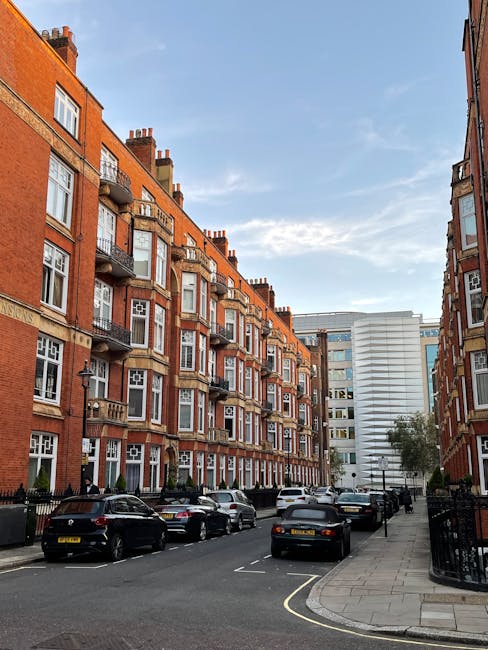
Knightsbridge furniture removal case study Beauchamp Place move

If you are planning a Knightsbridge furniture removal case study Beauchamp Place move, you are probably looking for more than a generic removals pitch. You want to know what actually happens on the day, where the risks sit, and how a furniture move in this part of London is handled without fuss. Fair enough. Beauchamp Place has its own rhythm: tight access, valuable furniture, neighbours close by, and not much room for mistakes.
This article breaks the move down in a practical, human way. You will see how a well-run furniture removal in Knightsbridge is typically planned, what makes the area different, where the hidden delays can creep in, and which choices make the biggest difference. If you are comparing help, preparing for a move, or simply trying to avoid a very stressful morning, this should give you a clear picture.
Expert summary: In Knightsbridge, furniture removals work best when the plan is built around access, protection, timing, and communication. In plain English: measure first, move second, and never assume the street will be forgiving.
Why Knightsbridge furniture removal case study Beauchamp Place move Matters
A furniture move in Beauchamp Place matters because the job is rarely just about lifting and carrying. In Knightsbridge, the surrounding environment changes the whole operation. Roads can be busy, parking is precious, and properties often contain furniture that is both expensive and awkward to handle. That combination raises the stakes a bit. Not dramatically, but enough.
A case study approach is useful because it shows the practical reality behind the service. A strong removals plan has to account for door widths, stair turns, lift access, floor protection, handling on polished surfaces, and the timing of the vehicle arrival. These are the sort of details that are easy to underestimate when you are staring at a to-do list the size of a small novel.
It also matters for trust. If you are hiring help, you want a team that treats a console table, marble-top coffee table, or antique sideboard as something more than cargo. The better furniture removals teams think in terms of protection, sequencing, and risk control. That is especially true in a location like Beauchamp Place, where a small mistake can become a visible one very quickly.
There is another angle too: the move has to fit your life. Some people need a quick furniture pick-up, some need a full household move, and some just need a couple of heavy items shifted safely. For that reason, it helps to compare options like furniture removals, man with van, and house removals rather than assuming one size fits all.
How Knightsbridge furniture removal case study Beauchamp Place move Works
A furniture removal in this part of London usually starts before the van arrives. The first stage is assessment: what needs moving, what size and weight the items are, whether they can be dismantled, and how the route works from room to vehicle. A proper plan avoids the classic nightmare of discovering, ten minutes in, that the sofa does not clear the hallway bend. It happens. More often than people admit.
Next comes access planning. On Beauchamp Place, the moving team needs to think about loading space, pavement access, and whether the property has stairs, a service lift, or a narrow entrance. If a building management team is involved, that should be handled early, not the morning of the move. Good removals are often quiet from the outside because the noisy decisions were already made days before.
Then there is the actual protection setup. Furniture blankets, straps, floor runners, edge protection, and careful wrapping are not decorative extras. They are the difference between a move that feels controlled and a move that leaves little scratches and a bad mood behind. If you have ever watched a heavy wardrobe pivot round a tight corner, you will know the difference immediately.
Once the move starts, sequencing matters. Fragile items are loaded in a sensible order. Heavy items go first where appropriate. Anything with loose parts is secured. Delicate finishes are kept away from abrasion. On a street like Beauchamp Place, the team also needs to work efficiently so the vehicle is not idling for longer than necessary. Simple, but not simplistic.
For many clients, the best fit is a service that combines transport and labour, such as removal services or man and van support. If the move is larger or more structured, a dedicated vehicle such as a moving truck or even removal truck hire may be more practical.
Key Benefits and Practical Advantages
The main benefit of a well-managed Knightsbridge furniture removal is control. That sounds plain, but it is the thing most people want on move day: fewer surprises, fewer delays, and fewer fragile items being treated like gym equipment. A good mover gives you structure, and structure saves time.
There is also a real safety gain. Heavy furniture is not forgiving. A wardrobe or dining table can be awkward in a stairwell, especially if one person is trying to do the heroic thing and lift too much. Proper moving methods reduce the risk of damage to the furniture, the property, and the people doing the lifting. To be fair, that alone is reason enough.
Another advantage is better preservation of valuable items. Knightsbridge homes often contain furniture with sentimental or financial value, and the correct packing and handling methods make a noticeable difference. That may mean custom wrapping, dismantling parts of a bed frame, or using better protection for varnished, glass, or upholstered surfaces. A little extra care goes a long way.
There is a time advantage too. Efficient furniture removals often finish much faster than a DIY approach, because the team is already prepared for the awkward bits. They know how to move around tight corners, how to load the van so items do not shift in transit, and when to stop and re-check before a lift. That is not glamorous. It is just effective.
And lastly, there is peace of mind. People underestimate this. When you know the vehicle, the labour, and the protection plan are all in place, you can focus on the rest of the day. Which, let's face it, usually involves a hundred small jobs and at least one missing charger.
Who This Is For and When It Makes Sense
This type of service makes sense for anyone moving furniture in or out of Knightsbridge who wants the job done carefully rather than casually. It is especially useful if you are handling items that are heavy, delicate, oversized, or awkwardly shaped. A single antique cabinet can justify professional support faster than you might think.
It is also a strong fit for flat moves where access is tight. If you are in one of the area's period properties or upper-floor apartments, the logistics can be more complex than they first appear. In those situations, flat removals or home moves may overlap with the furniture job, and a coordinated plan will usually work best.
Landlords, letting agents, and property managers may also need furniture removal support when an occupier is leaving behind items, replacing furnishings, or preparing a property for the next resident. In that setting, prompt timing and tidy execution matter as much as transport itself.
There is a commercial angle too. Boutique offices, serviced spaces, and private studios in and around Knightsbridge can need small-scale furniture relocation at short notice. If that sounds familiar, options such as commercial moves or office removals may be more relevant than a residential-only service.
And if your move is urgent, same-day support can be the sensible call. Not always, but sometimes. When a building handover changes or a delivery window shifts, same-day removals can save a lot of stress.
Step-by-Step Guidance
Here is the clearest way to approach a Beauchamp Place furniture move without getting tangled up in the details.
- List every item you want moved, including approximate size, weight, and whether it comes apart.
- Check access inside the property: stairs, lift size, door widths, corners, and any low ceilings or tight landings.
- Confirm outside access: parking restrictions, loading position, and whether the vehicle can get close enough.
- Choose the right vehicle and labour setup based on the number of items and the amount of handling required.
- Protect the furniture with wrapping, blankets, and corner protection before anything is lifted.
- Prepare the route by clearing hallways, securing pets, and removing loose clutter that could get in the way.
- Sequence the load properly so items are stable in transit and easy to unload in the right order.
- Do a final check of both the property and the vehicle before signing off the move.
That sequence looks simple on paper. In real life, it keeps the day from drifting into chaos. The key is not rushing the first 20 minutes just because the van is waiting outside. A calm start usually pays back later.
If you are still deciding on packing support, it may be worth exploring packing and boxes or packing and unpacking services. Good packing is boring in the best possible way. No drama, no loose lamp bases, no mystery screws rolling under the fridge.
Expert Tips for Better Results
One of the best tips is simple: measure the awkward items twice. It sounds almost too obvious, yet it is exactly where people trip up. Measure the furniture, measure the routes, then measure the access again. A few extra minutes with a tape measure can prevent an hour of swearing under your breath. Human nature, I suppose.
Another good habit is to take photographs of items before the move, especially if they are valuable or already marked. That is not about expecting trouble. It is about keeping a clear record of condition and making communication easier if something needs extra care during handling.
Keep hardware and small fixings together. If a bed frame is dismantled, put the screws, brackets, and washers into a labelled bag, and keep that bag somewhere obvious. The number of times a tiny bag of fittings vanishes into a moving box is, frankly, astonishing.
Think about timing as well. Early starts are often better in central London, simply because traffic and street activity tend to build through the day. A move that begins neatly can feel almost relaxed by comparison. Almost. No promises, but almost.
Finally, do not under-specify the job. If you have a piano, a glass cabinet, or a particularly heavy dining set, mention it early. For specialist pieces, dedicated options like piano removals or a more robust vehicle arrangement may be more appropriate than a standard furniture-only job.
Key takeaway: the smoothest moves are rarely the fanciest ones. They are the ones where the access is checked, the wrapping is done properly, and the team knows exactly what they are walking into.
Common Mistakes to Avoid
The most common mistake is assuming all furniture is equally easy to move. It is not. A simple-looking sideboard may be heavier than expected, and a sofa may be awkward because of shape rather than weight. If you plan every item the same way, you will eventually hit one that refuses to cooperate.
Another frequent problem is forgetting about access permissions. In Knightsbridge, this can be a genuine headache. Parking, timing, concierge rules, and loading restrictions all need attention. If those details are left until the day itself, the whole move can become stop-start and oddly exhausting.
People also underestimate the value of proper wrapping. Throwing a blanket over a table is not the same as securing a piece for transport. One works in theory, the other works on a moving vehicle. Small difference. Very important difference.
Some clients choose the wrong service level. If you only need one or two items moved, a lighter option may be fine. But if you have multiple bulky pieces, it may be a mistake to go too lean on labour or vehicle size. On the other hand, overbuying the biggest option for a tiny job can be wasteful. The sweet spot matters.
And then there is the classic issue of last-minute clutter. Hallways full of shoes, bags, folded laundry, and random boxes slow everything down. Clearing the route sounds obvious, yet it is often the thing people leave for "later." Later arrives quickly.
Tools, Resources and Recommendations
You do not need a huge toolkit for a furniture removal, but a few practical items make life easier. A tape measure is essential. So are labels, a marker pen, furniture blankets, stretch wrap, and strong tape. A trolley or dolly can help for heavier pieces, although the team should judge when it is actually safe to use one rather than forcing the issue.
From a service perspective, it helps to compare support options based on the job size. A small furniture pick-up can be handled differently from a full residential shift. For single-item or short-distance work, furniture pick-up may be enough. For broader household work, removals or house removals may be better aligned.
If you need a sense of the company's broader service approach, a look at about us can help with background, while pricing and quotes is useful for understanding how estimates are typically handled. It is also sensible to check insurance and safety so you know how protection and risk are approached in practice.
For moves where short-term holding is useful, storage can be a real pressure release. That tends to come up when completion dates shift, refurbishments overrun, or furniture simply needs to move out before the next place is ready. In those moments, storage can take the edge off a messy timetable.
Law, Compliance, Standards, or Best Practice
Furniture removals in London should always be approached with a sensible focus on safety, property protection, and lawful handling of goods. While the exact requirements depend on the situation, reputable movers normally follow practical standards around lifting, loading, securing, and transport. That is the baseline. Nothing flashy, just the right habits done consistently.
For customers, the main thing is to check that the mover operates transparently and responsibly. That includes clear booking terms, clear payment processes, and clear expectations around what is and is not included. You may also want to review terms and conditions and payment and security so there are no unpleasant surprises later.
Health and safety is not just a box-ticking phrase. It affects the way furniture is wrapped, the way carriers lift, and the way loads are secured in transit. For more detail on how the business handles this, health and safety policy is worth reviewing. If you are moving after a tenant change, you may also care about how unwanted items are managed, so recycling and sustainability may be relevant where disposal or reuse is part of the job.
There is also the human side of compliance. Clear complaint handling, accessible communication, and respectful service matter. If something does go wrong, it should be possible to raise it cleanly through the complaints procedure. That is basic professionalism, really.
Options, Methods, or Comparison Table
If you are choosing how to manage a Beauchamp Place furniture move, the best option depends on scale, urgency, and item type. The table below gives a simple comparison.
| Option | Best for | Strengths | Watch-outs |
|---|---|---|---|
| Furniture removals | Single items or several furniture pieces | Focused handling, efficient, practical | May not suit full-property moves |
| Man and van | Smaller, flexible jobs | Good for light-to-medium loads, usually adaptable | Not ideal for very heavy or specialist items |
| House removals | Full or partial household moves | More structured, more comprehensive | Can be more than you need for a few items |
| Storage | When timings do not align | Creates breathing room, reduces pressure | Requires extra planning and access coordination |
| Same-day removals | Urgent or unexpected moves | Fast response, useful in time-sensitive situations | Less room for advance preparation |
A sensible approach is usually to match the method to the job, not the other way around. If the move is a single antique chest, it should not be treated like a full flat clearance. If the job is bigger than expected, do not try to shoehorn it into the smallest option just to save a bit. That tends to cost more later, one way or another.
Case Study or Real-World Example
Here is a realistic example of how a Beauchamp Place furniture removal can be handled. Imagine a client in a Knightsbridge apartment needing several items moved: a king-size bed frame, two bedside tables, a glass-topped coffee table, and a heavy sideboard. The property has a narrow staircase, limited hallway space, and a loading window that has to be respected. Nothing dramatic, but enough to make the move fiddly.
The planning stage starts with measurements and a quick route check. The sideboard is identified as the item most likely to catch on a turn, so it is wrapped carefully and handled separately. The bed frame is dismantled, with fixings bagged and labelled. The glass table gets extra corner protection because nobody wants to hear that sharp little crack of avoidable damage.
On move day, the team arrives with the right labour balance and a vehicle sized to keep the load secure without wasting space. The hall is protected, lift use is coordinated if available, and the loading process is done in a sensible order. The result is not a dramatic story. It is a calm one. Which is exactly the point.
There may still be small adjustments on the day. A piece might need a second wrapping layer. A door might need to be removed temporarily. A route might be slightly tighter than expected. That is normal. Good movers do not panic when the real world shows up. They adapt, then keep going.
If the client had only needed one or two furniture items taken to a new address, a man with a van arrangement might have been enough. If the move had expanded into a whole property relocation, then a more complete home moves plan would make more sense. That flexibility is what keeps the service practical.
Practical Checklist
Use this checklist before the move date arrives.
- Measure every item that needs moving.
- Check stair widths, door frames, and lift dimensions.
- Confirm parking or loading access near Beauchamp Place.
- Decide which pieces need dismantling.
- Wrap delicate surfaces properly.
- Label fixings, cables, and small parts.
- Clear hallways, entrances, and landings.
- Tell the mover about heavy, fragile, or unusual items.
- Confirm the arrival time and vehicle type.
- Review insurance, payment, and terms before booking.
- Keep a phone charged and ready on the day.
- Do a final walk-through before the vehicle leaves.
That list is simple, but it catches most of the things that cause unnecessary stress. And stress is usually what people are trying to remove when they book a furniture move in the first place.
Conclusion
A Knightsbridge furniture removal case study Beauchamp Place move shows that the real job is not just transport. It is planning, protection, timing, and a sensible understanding of the local environment. In a district like Knightsbridge, those details matter more than glossy promises or vague claims about being "the best."
If you focus on access, item handling, the right service level, and clear communication, the move becomes much more manageable. That is true whether you are shifting one valuable piece or several rooms' worth of furniture. The process can be tidy, calm, and surprisingly straightforward when it is set up properly. Not always effortless, but definitely manageable.
For readers comparing service options, the next sensible step is to review the relevant service pages, think through your access and item list, and then get a clear quotation based on the actual move rather than a rough guess. A few honest details up front tend to save a lot of trouble later. Simple, really.
Get a free quote today and see how much you can save.
Frequently Asked Questions
What makes a Beauchamp Place furniture move different from a normal local removal?
Beauchamp Place moves often involve tighter access, more careful handling, and closer attention to parking or loading arrangements. The furniture itself may also be more valuable or delicate, so the planning is usually more detailed than a standard local job.
Can a furniture removal service handle just one or two items?
Yes. In many cases, a furniture removal or man-and-van style service is ideal for a small number of items. That is often more efficient than booking a full-scale move when you only need a few pieces transported.
How do I know whether I need furniture removals or house removals?
If you are moving only furniture pieces, furniture removals may be enough. If the job includes most or all household contents, then house removals is usually the better fit. The deciding factor is the size and complexity of the load.
Should I dismantle furniture before the movers arrive?
Only if it is practical and safe to do so. Some items are easier to move dismantled, but others are better left intact until the mover can assess them. If in doubt, flag the item in advance and let the team advise.
What if the property has narrow stairs or a tight hallway?
That is common in central London and it is exactly why a pre-move assessment matters. The mover may need to wrap the furniture differently, use more labour, or dismantle certain pieces to get them out safely.
Is same-day furniture removal possible in Knightsbridge?
Sometimes, yes. If the schedule allows and the job is suitable, same-day removals can be arranged. It is best used for urgent situations rather than as a default plan, because there is less time for preparation.
Do I need storage if my move dates do not line up?
If there is a gap between moving out and moving in, storage can be a very practical solution. It gives you time to avoid rushing, and it can make a complicated handover much less stressful.
How should I prepare fragile furniture for transport?
Use proper wrapping, protect corners, secure loose parts, and keep glass or polished surfaces cushioned from movement. A little extra care here makes a big difference, especially for older or high-value pieces.
What should I ask before booking a mover?
Ask about access handling, vehicle size, labour included, insurance, timing, payment, and what happens if items need dismantling. Those questions help you compare services properly and avoid surprises.
Are piano or oversized items handled differently?
Yes. Heavier or specialist items usually need dedicated handling and sometimes a different service altogether. For example, pianos often need more specific equipment and technique than ordinary furniture.
What is the biggest mistake people make with furniture removals?
The biggest mistake is underestimating access. People often focus on the item itself and forget the route, the doorway, the stairwell, and the parking. In practical terms, access usually decides how smooth the move feels.
How can I keep the move calm on the day?
Prepare early, label clearly, keep the route clear, and make sure the mover has all the key details before arrival. Calm move days are rarely accidental. They are usually prepared for properly.